blog.images.cv
Computer Vision, Machine Learning & AI Blog
AI researcher and software engineer specializing in computer vision and deep learning.
Yaniv Noema
Claude CLI vs Codex CLI compared for real engineering teams. Learn the differences in setup, repo editing, command permissions, diff review, reliability, and how to evaluate both tools on real tasks.
A clear comparison of Claude Code, the Claude Code CLI, Claude Desktop/Web, and the Claude API, with a decision guide for developers.
Compare diffusion models and GANs for synthetic vision datasets in 2026, with practical guidance on realism, speed, label quality, and downstream training impact.
A step-by-step synthetic object detection workflow from prompts to map improvement, covering generation, QA, export formats, and fast iteration loops for 2026.
Five practical alternatives to Hugging Face, including model hubs and managed catalogs, with pros, cons, and when to choose each.
Updated 2026 overview of 11 GAN families, where they are still useful, and how to think about GANs vs diffusion when generating training data.
Most detection problems are dataset problems. Use this checklist to validate label quality, class design, coverage, leakage, imbalance, and evaluation before scaling.
Prompts for dataset generation must optimize for labelability, coverage, and realism, not aesthetics. This guide gives a structured prompting method and failure fixes.
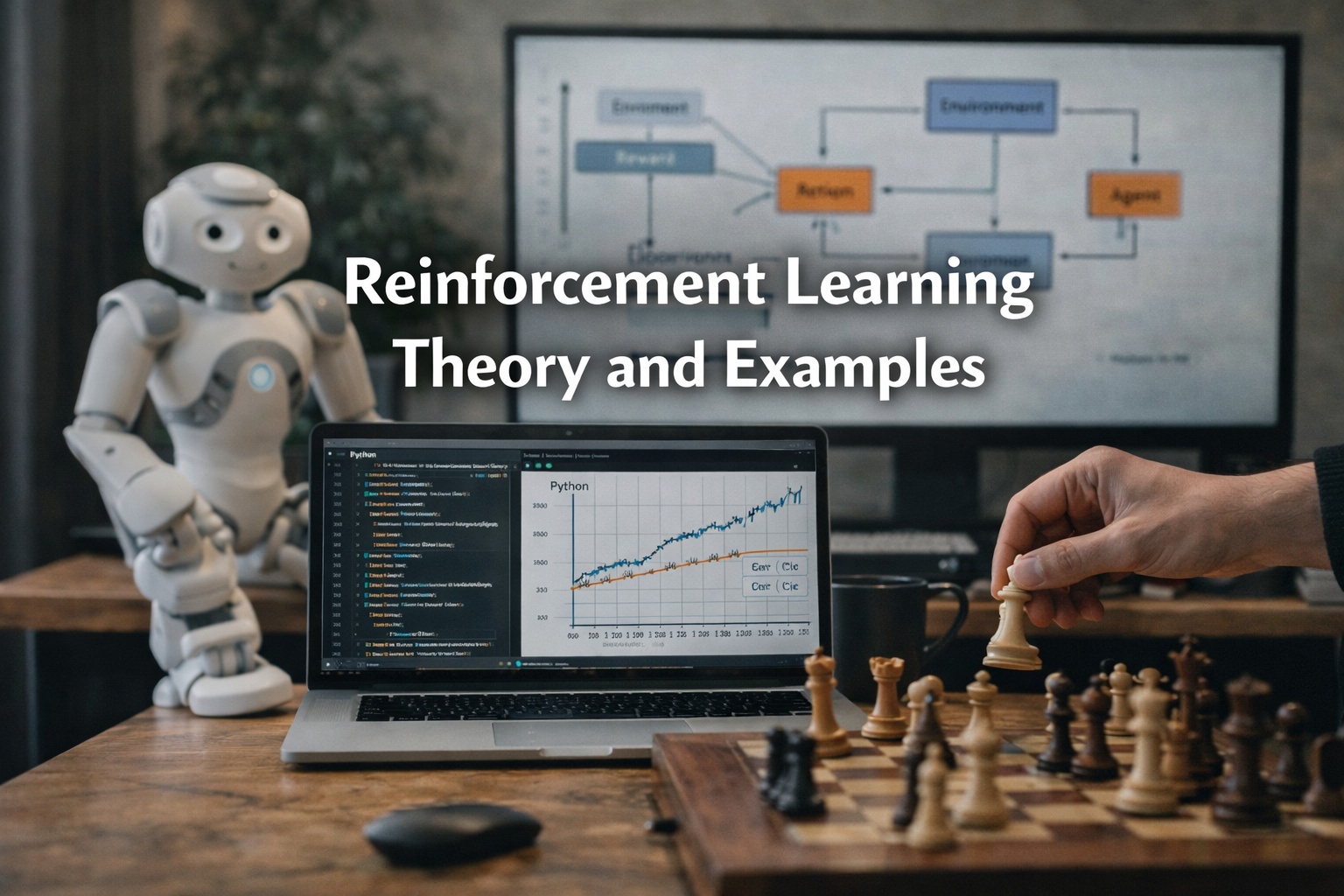
A modern 2026 guide to reinforcement learning fundamentals, classic and modern algorithm families, and where RL meets computer vision.
Four strong alternatives to Replicate for model inference and deployment, with a practical comparison across API experience, scaling, and control.
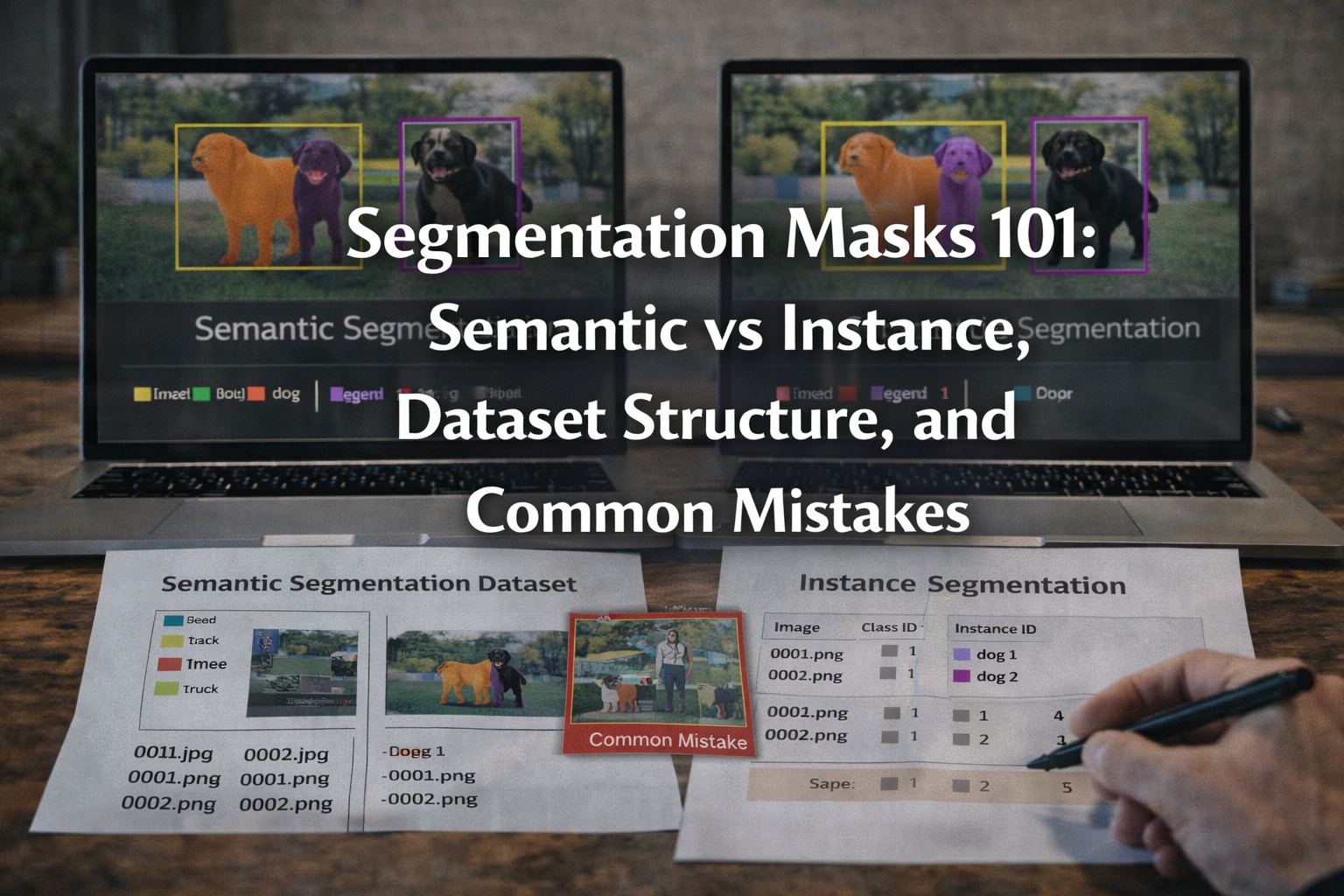
Learn semantic vs instance segmentation, proper mask formats, clean dataset packaging, and practical QA checks to avoid training failures in vision pipelines.
Updated 2026 perspective on computer vision progress, where machines outperform humans, where they still fail, and why datasets remain the main bottleneck.
A 2026 update on Python's strengths and weaknesses for ML, including performance realities, deployment patterns, and where optimized runtimes take over.
A practical guide to Hugging Face: the Hub for models and datasets, Transformers for development, Spaces for demos, and Inference Endpoints for production.
Learn what Replicate is, how it works, and when it is the right choice for running and deploying AI models through a simple cloud API.
A 2026 comparison of TensorFlow and PyTorch for deep learning and computer vision, focusing on deployment constraints, iteration speed, and practical team decisions.
Understand COCO vs YOLO annotation formats, key differences, conversion pitfalls, and best practices so your object detection datasets stay consistent and train-ready.
Learn how to generate YOLO-ready synthetic datasets, structure labels correctly, validate quality, and improve detection performance with iterative data generation.
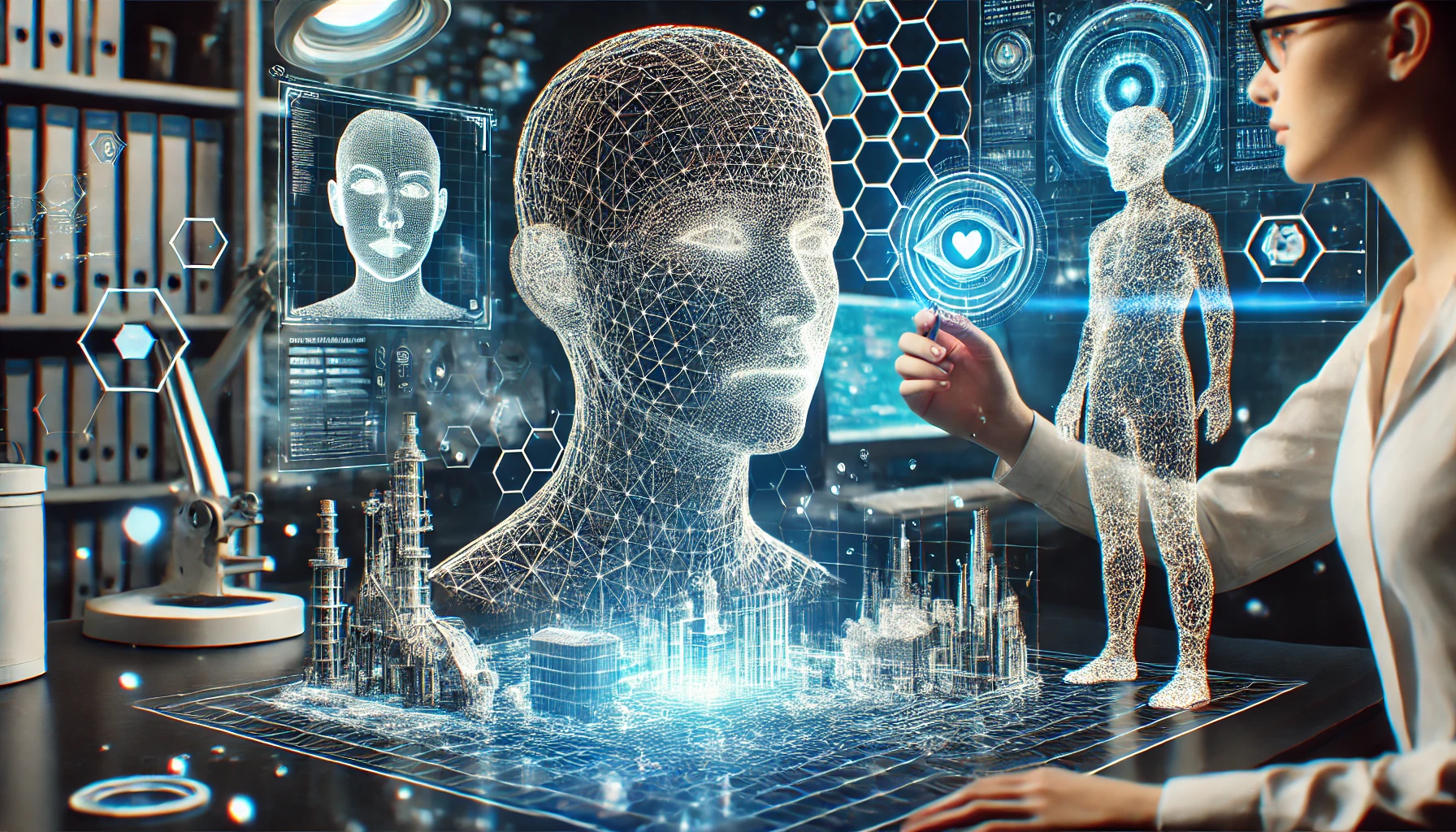
Explore five modern 3D reconstruction methods, from SfM and multi-view stereo to NeRF, with practical Python examples and guidance for real-world CV projects.
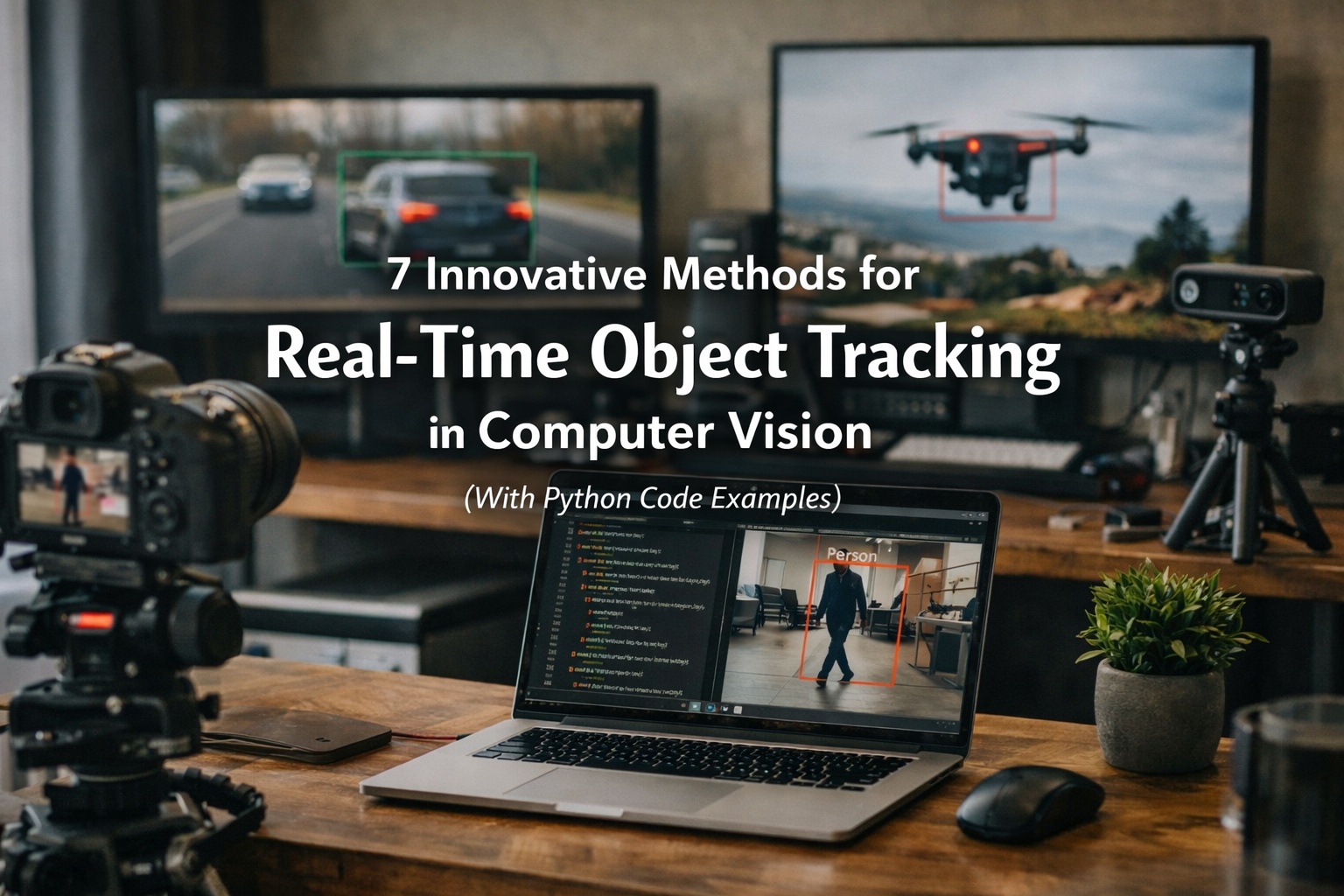
Explore seven real-time object tracking methods, from Kalman filters and optical flow to Siamese and transformer models, with practical Python implementation tips.
Learn five modern edge detection techniques for computer vision, including Canny, Sobel, LoG, HED, and adaptive methods, with practical Python examples.
Learn how transfer learning can accelerate your image classification tasks by leveraging pre-trained neural networks to boost performance and efficiency.
A comprehensive professional guide outlining essential practices in image processing and computer vision, featuring practical Python examples.
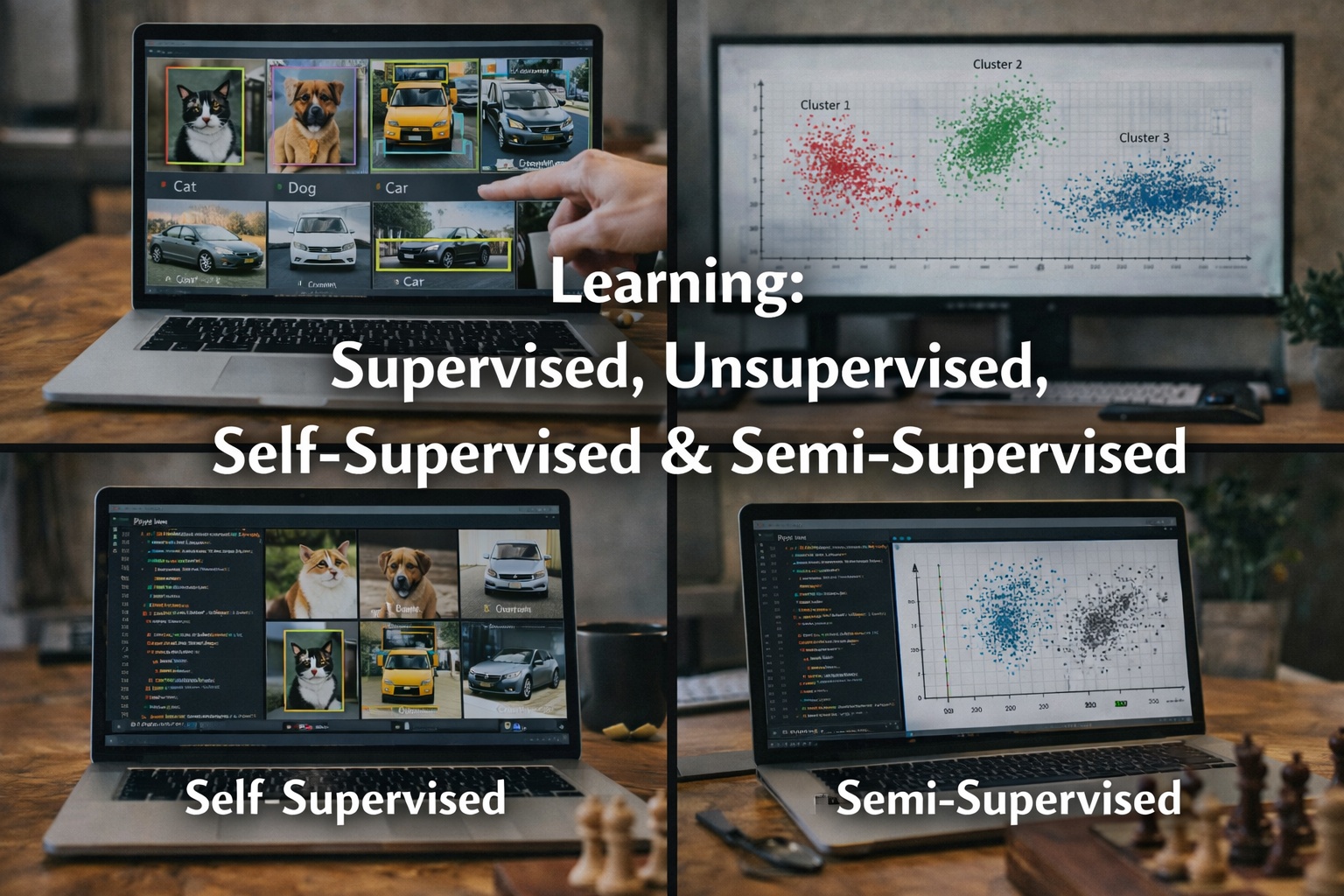
Understand supervised, unsupervised, self-supervised, and semi-supervised learning, when to use each, and how data labeling strategy affects model performance.
Discover the 10 core skills every data scientist needs, from statistics and machine learning to Python, SQL, communication, and practical problem-solving.
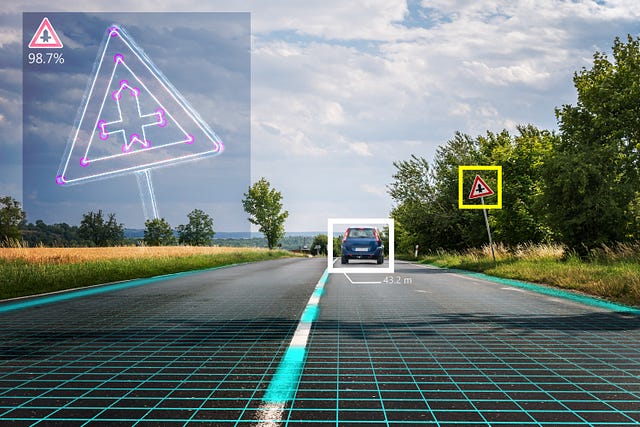
Computer vision enables computers to see and act. From smartphones to self-driving cars, this article presents ten fascinating facts about the field.